The $20 bottle wins the blind tasting. The Pinot Noir is everyone’s favorite with the salmon. And the red you forgot in the fridge for half an hour tastes better than it did when you opened it.
At The Grape Escape in Fairfield, Connecticut, our favorite wine lessons are the ones you can taste for yourself. Here are five familiar wine myths and a few easy ways to put them to the test at your own table.
1. Expensive wine is always better
A wine’s price can reflect the cost of vineyard land, how much wine the producer makes, and the reputation of the winery. How much you enjoy it depends on what you like to drink and what you’re serving.
Take Produttori del Barbaresco in Italy’s Piedmont region. The producer makes both Langhe Nebbiolo and single-vineyard Barbaresco Riservas from the Nebbiolo grape. A Riserva might be the bottle you save for a special dinner. The Langhe Nebbiolo might be exactly what you want with pasta on a Tuesday.
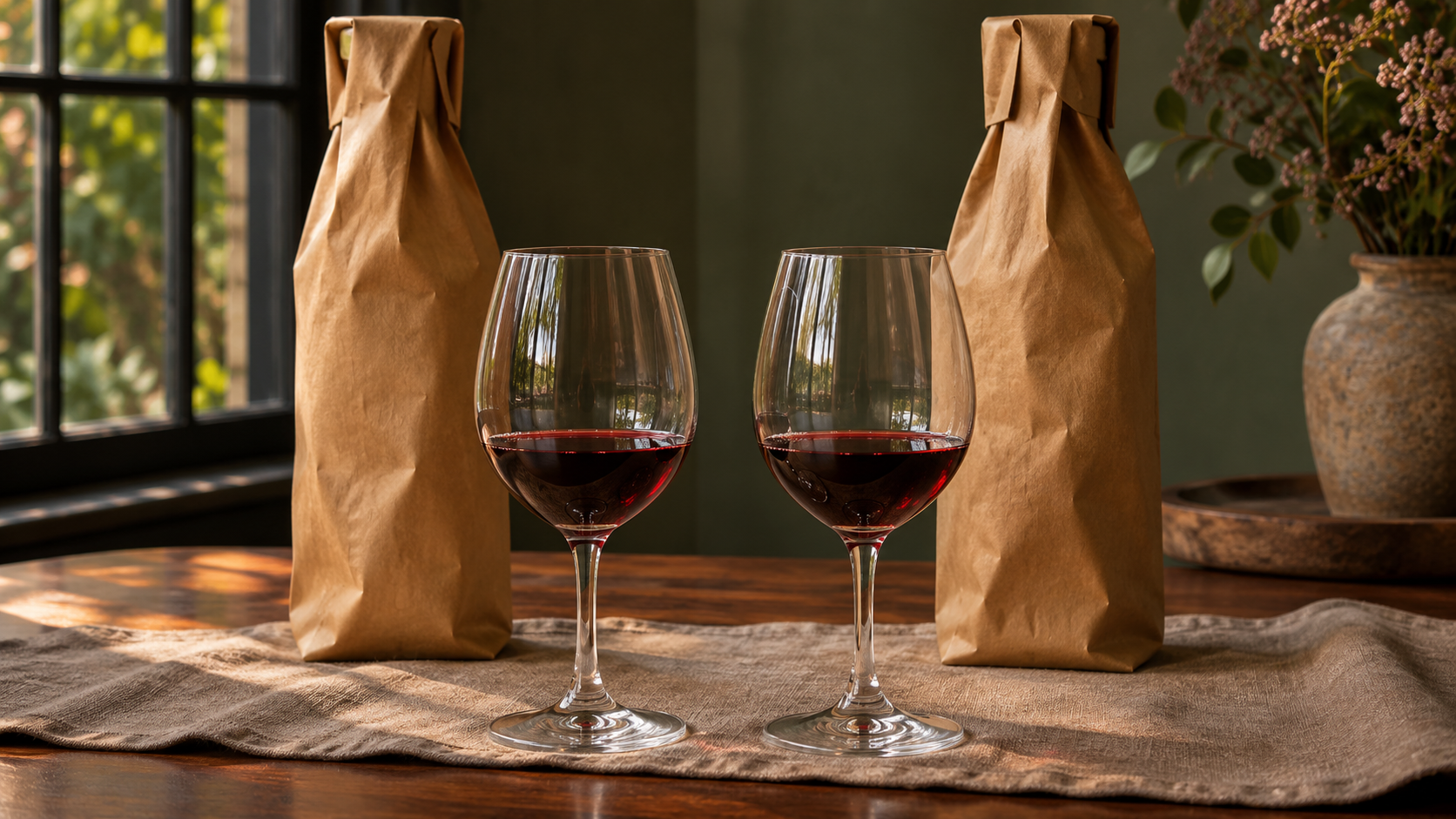
Try it at home. Ask someone to pour two wines at different price points without showing you the labels. Pick the glass you’d pour again and describe what you liked about it. Then reveal the prices. Your wallet may turn out to have excellent taste.
2. Red wine should always be served at room temperature
Room temperature can mean a cool dining room or a kitchen that’s been running an oven all afternoon. In a warm room, a red wine can taste heavier and the alcohol can stand out. Too much chill, though, can mute its aromas and make the tannins feel firmer.
As a starting point, serve lighter reds such as Beaujolais around 55–60°F and fuller reds such as Zinfandel around 60–65°F. Many whites show well around 45–55°F, with crisp whites toward the cooler end and richer Chardonnays toward the warmer end. Sparkling wines are generally served cooler.
Try the 30-minute rule. Put a room-temperature red in the fridge for about 30 minutes, or take a fuller-bodied white out of the fridge about 30 minutes before pouring. Adjust for the bottle’s starting temperature and taste it again after a few minutes in the glass. You may prefer the second sip.
3. White wine goes with fish, and red wine goes with meat
Think about chicken three ways. Poached chicken with fresh herbs, grilled chicken with a smoky char, and roast chicken with a creamy mushroom sauce all start with the same ingredient. Each gives you something different to pair with.
Start with the sauce, seasoning, and richness of the dish. Then decide whether you want the wine to echo those flavors or refresh your palate between bites.
Grilled salmon with Pinot Noir. A bright, lighter-bodied Pinot Noir can complement the richness of the salmon and the char from the grill.
Herb-roasted chicken with Chardonnay. A fuller Chardonnay works especially well when butter or a creamy sauce is part of the dish.
Fried chicken with dry sparkling wine. The acidity and bubbles are refreshing after a bite of crisp, salty chicken.
Spicy food with off-dry Riesling. A little sweetness can soften the impression of heat.
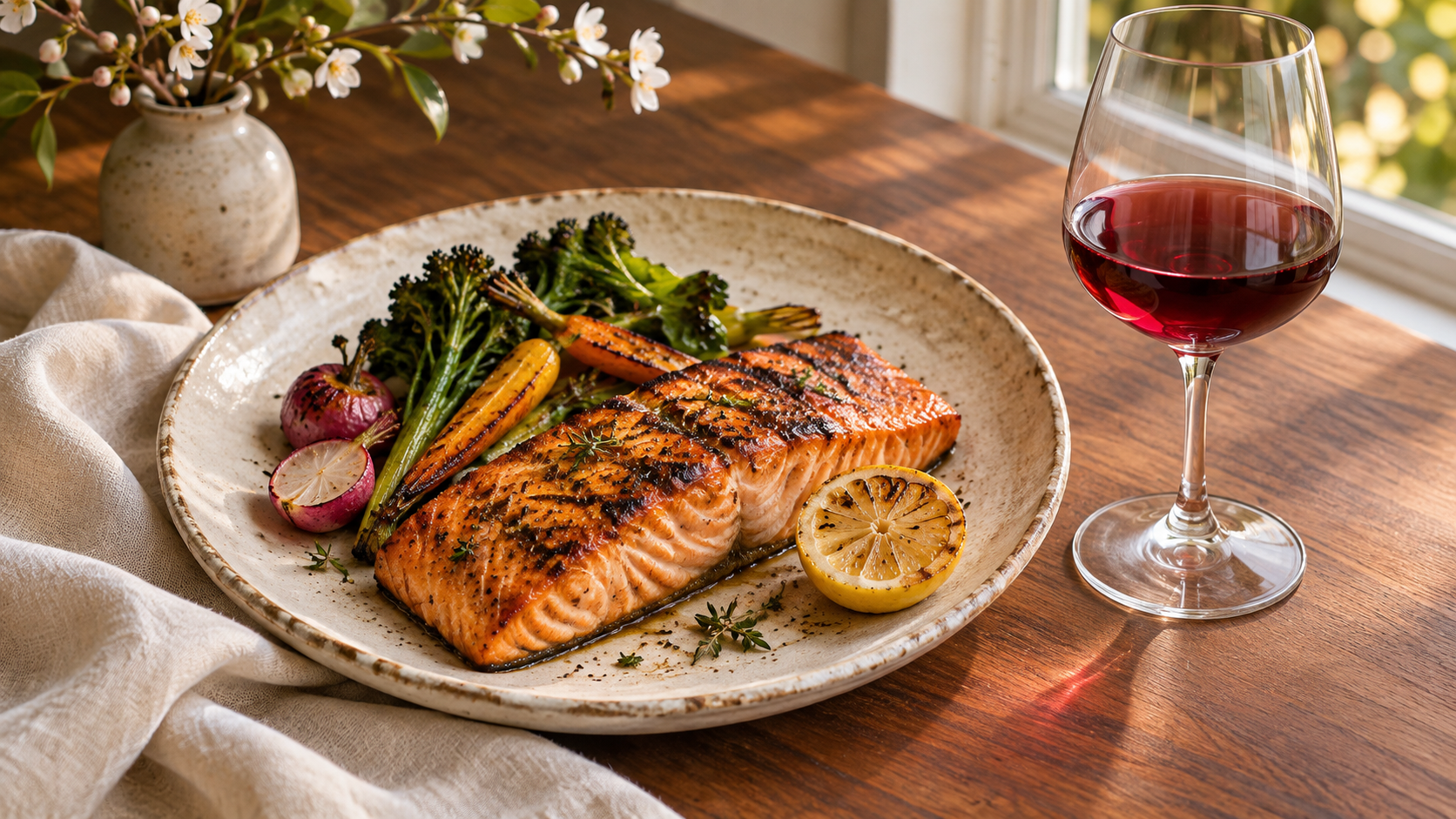
Try it at dinner. Taste the wine before you eat, take a bite, then taste it again. Does the wine seem fruitier, brighter, or softer? That’s the pairing lesson.
4. All wine gets better with age
Many wines are made to be enjoyed while their fruit and freshness are still lively. A crisp dry rosé or a bright Txakoli can be at its most appealing when it’s young. Wines such as a structured Barolo or a well-balanced Riesling Spätlese can develop more complex aromas over time when stored in a cool, dark place.
Your own taste still matters. Some people love the earthy, savory character that comes with age. Others would happily trade those flavors for the bright fruit of a younger wine.
Try a wine with some age already on it. Look for a bottle such as López de Heredia’s Viña Tondonia Rioja Reserva, which spends years aging before release. For a bottle you already own, ask a wine merchant about its drinking window. And if it’s ready to drink, dinner is a perfectly good occasion.
5. A screw cap means cheap wine
Pulling a cork is part of the ritual for many of us. A screw cap has its own appeal, especially when the corkscrew is still in the kitchen drawer and you’re already at the picnic.
Winemakers choose screw caps for a consistent seal and to avoid taint introduced by a faulty natural cork. Producers use them on wines across price points, including bottles intended to develop with age. Pewsey Vale’s The Contours Riesling is one example of a screw-capped wine held back for years before release.
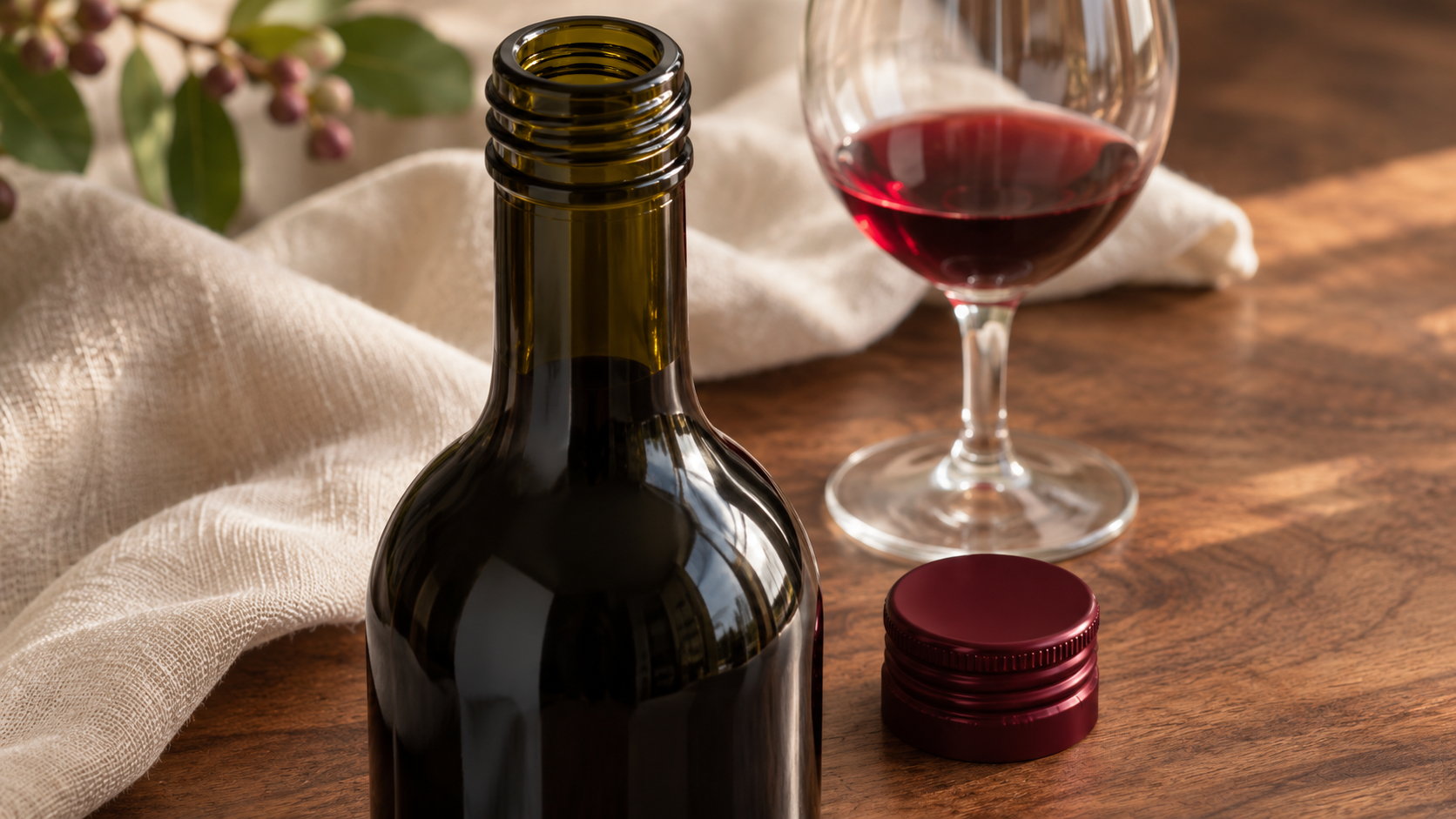
Try it blind. Have someone pour the wine before you see the bottle. Notice how much you can learn about what you like from a single glass, before you know how it was sealed.
Put These Wine Myths to the Test in Fairfield, CT
The next time you open a bottle, try one small experiment. Chill the red, change the pairing, or hide the price. Pay attention to which glass you reach for again and what made you reach for it.
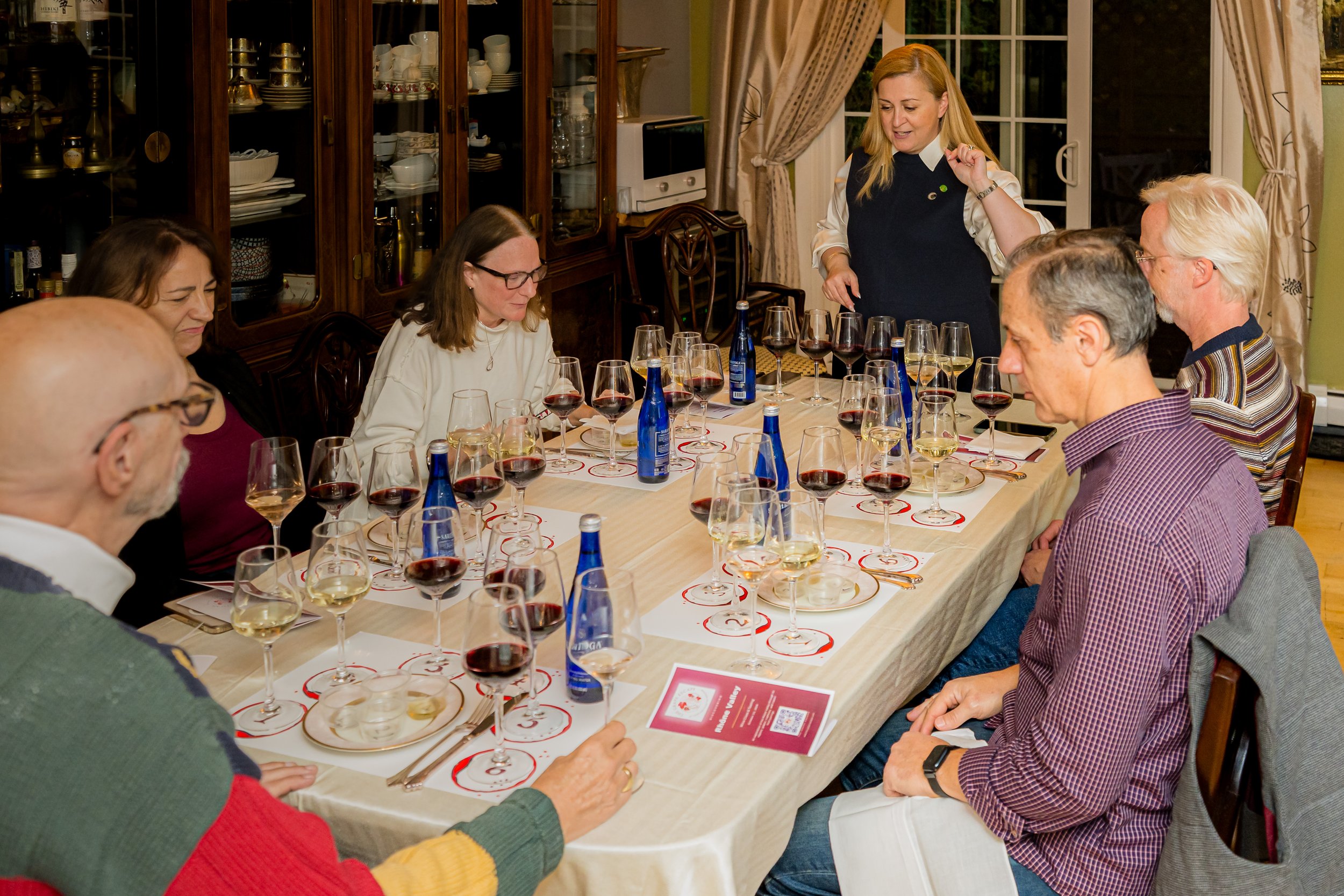
At The Grape Escape in Fairfield, Connecticut, Certified Sommelier Anamaria Terepka leads small-group wine tastings and food-pairing classes. You’ll taste wines side by side, see how food changes what’s in the glass, and have time to ask the questions you’ve always wanted to ask. Beginners are welcome.
Explore upcoming wine tastings and classes at The Grape Escape
